




Table of Content
- Understanding the Tradition: What Is Godh Bharai?
- Regional Variations of Indian Baby Showers
- Godh Bharai celebration – when & where to host
- Step-by-Step Rituals of a Traditional Baby Shower in Punjabi
- How to Conduct a Punjabi Godh Bharai - Quick Practical Checklist
- Modern Godh Bharai – Themes, Ideas & Celebration Trends
- Unique gift ideas for a Punjabi baby shower
- Conclusion – the emotional & cultural value of Godh Bharai
- FAQs
A Punjabi baby shower, traditionally known as Godh Bharai rasam or Sadh, is one of the most cherished ways of celebrating motherhood in Indian culture. Families, friends, and neighbours gather to bless the mother-to-be, shower her with love, and pray for the well-being of both the baby and the expecting mother.
In Indian traditions, ceremonies like the baby shower ceremony honour the emotional, spiritual, and physical journey of pregnancy. The Godh Bharai rasam is not just a ritual it is a generational celebration of blessings, wisdom, joy, and community.
Would absolutely recommend! The service and quality of their products are first class.
- Sharon ★★★★★
In Indian culture, motherhood is deeply revered as you know. Ceremonies like the baby shower honour the journey of the expecting mother with traditions passed down through generations and we love every bit of it. The Godh Bharai ceremony is a way for the family to show her their love, affection, support, impart wisdom, and present her with gifts, ensuring that she feels cherished during this phase of life. Let’s dive into the meaning, traditions, and evolving nature of the Godh Bharai rasam in Punjabi culture.
Understanding the Tradition: What Is Godh Bharai?
Meaning of God Bharai Rasam
The literal meaning of Godh Bharai is to "fill the lap of the mother," It symbolizes abundance, joy, fertility, and blessings for the soon-to-arrive baby. The mother-to-be is seated in a place of honour, and relatives gently fill her lap with:
- Fruits
- Sweets
- Baby essentials
- Bangles
- Decorative mithai boxes
- Shagun envelopes
These offerings collectively represent prosperity, protection, and goodwill.
Enhance the Ceremony with Pataaree:
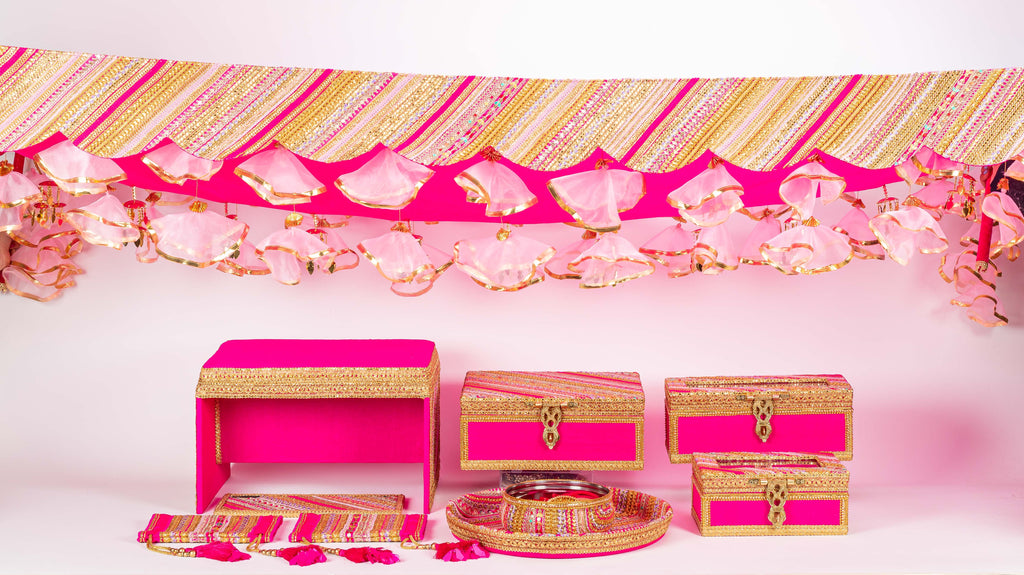
Make your Godh Bharai setup even more special with our Lap Cover Sets and Shagun Tray, designed to add elegance and functionality while keeping all offerings beautifully organized. Perfect for capturing picture-perfect moments and maintaining a festive, coordinated decor.


The Historical And Cultural Significance You Didn't Know Of
The Godh Bharai traces its roots to the ancient Hindu pregnancy ritual Simantonnayana—one of the traditional saṃskāras, believed to protect the mother and baby during the final stage of pregnancy. Historically:
- Elder women performed protective rituals.
- Folk songs and Giddha were used to bless the expectant mother.
- The gathering was usually women-only to create a comfortable space.
Even today, Punjabi Godh Bharai ceremonies carry forward this legacy of feminine wisdom, emotional support, and intergenerational bonding.
Similarities with western baby showers
The baby shower ceremony in the West and the Godh Bharai rasam share quite many common traits. Both celebrate the upcoming birth with gifts, good wishes, and joyous gatherings. However, while Western baby showers focus on games, practical gifts for the mother, diet books, spa and gym memberships, and registries, the Punjabi Godh Bharai ceremony is deeply rooted in cultural and religious traditions, making it a spiritually uplifting experience.
Regional Variations of Indian Baby Showers
Indian baby showers vary by region; North Indian Godh Bharai, South Indian Seemantham/Valaikappu, Bengali Shaad, and Maharashtrian Dohale Jevan each with its own rituals but all meant to bless the mother and baby.
|
Region |
Local Name of Ceremony |
Key Highlights |
|
Punjab / North India |
Godh Bharai / Sadh |
Lap-filling ritual, blessings, songs, tikka |
|
South India |
Seemantham / Valaikappu |
Bangles ritual, puja, women tying protective threads |
|
Maharashtra |
Dohale Jevan |
Special food cravings feast, lap-filling, songs |
|
Bengal |
Shaad |
Mother’s favourite meal prepared by in-laws |
|
Gujarat / Rajasthan |
Kankotri / Godbharai |
Coconut rituals, decorated thali, blessings |
All these variations share one theme celebrating motherhood and blessing the expectant parents.
Godh Bharai celebration – when & where to host
In Which Month Is Godh Bharai Done?
The traditional timing for Godh Bharai in Punjabi households is the 7th or 8th month of pregnancy. This period is considered auspicious, safe, and emotionally uplifting for the expecting mother.
Why This Month?
- Baby’s development is stable
- The mother is energetic enough to participate
- Traditional belief: the third trimester brings prosperity and blessing energy
Where to Host the Ceremony?
- At home: Many families prefer the comfort of their home, which makes sense. Here, the elders and close relatives can conduct the rituals in an intimate setting.
- At a gurudwara: Some choose to host the Godh Bharai rasam at a Gurudwara, where an Ardaas (prayer) is performed, seeking divine blessings for the mother and child.
- Banquet halls or outdoor gardens: Modern families prefer blending traditional Godh Bharai rituals with contemporary baby shower celebration themes, food, decor, and photography.
Step-by-Step Rituals of a Traditional Baby Shower in Punjabi
Each ritual that you see in a typical Punjabi Godh Bharai ceremony has a symbolic meaning. It reflects blessings, protection, and joy for the expectant mother and child.
1. Ardaas (prayer for blessings)
The ceremony usually begins with an Ardaas, where the family prays for the wellbeing of the mother and baby. If the event takes place at a Gurudwara, a short Kirtan (hymn recital) is held before the celebrations begin—an important part of traditional Punjabi Godh Bharai rituals.
2. Seating the mother-to-be on a traditional peeri or manji
The expecting mother is seated on a comfortable peedi (small stool) or manji (cot). Female relatives apply tikka on her forehead and offer blessings, following the classic sequence of Punjabi baby shower customs.
3. Godh bharai ritual: filling the lap with gifts
This is the heart of the Punjabi baby shower. The mother-to-be’s lap is filled with bangles, baby clothes, fruits, sweets, beautifully packed mithai boxes, and shagun envelopes, all symbolising prosperity and good wishes. Modern families often add light-hearted gifts from mamas and chachas to keep the atmosphere joyful and stress-free.
4. Showering with flowers, rice, and Blessings
Guests also shower the expectant mother with flower petals and grains of rice, an age-old ritual believed to bring purity, abundance, and protection to both the mother and child.This act is believed to bring a lot of positivity and protect both the mother and child from negative energies.
5. Musical celebrations with dhol & giddha
No Punjabi celebration is complete without dhol beats and Giddha. Women sing blessing-filled folk songs, and sometimes the mother-to-be’s favourite playlist is included to make the moment even more personal and memorable.
How to Conduct a Punjabi Godh Bharai - Quick Practical Checklist
When to Host
• Ideally in the 7th–8th month of pregnancy (around weeks 28–34).
Who Organises
• Traditionally female relatives; modern families often include friends or hire planners.
Puja Samagri List
• Coconut, turmeric, kumkum
• Fruits & sweets, mithai boxes
• Rice/grains, flower petals
• Bangles, baby items
• Shagun envelopes
• Kalash or decorated bowl, diya/incense (optional)
Suggested Flow of Events
- Welcome & comfortable seating
- Ardaas / Kirtan
- Tikka by elders
- Lap-filling with gifts, mithai, and shagun
- Flower & rice showering
- Music, Giddha, or light entertainment
-
Simple meal & distribution of mithai/shagun
Comfort Tips for the Mother
• Provide cushioned seating with back support
• Keep water, snacks, and good ventilation handy
• Allow breaks; avoid heavy jewellery or tight clothing
• Maintain a calm, non-crowded environment
• Keep a resting area ready after the ceremony
Modern Godh Bharai – Themes, Ideas & Celebration Trends
Popular Punjabi Baby Shower Themes
- Floral Phulkari Theme
- Pastel & Minimalist Baby Shower Theme
- Traditional Marigold Decor
- Boho Rustic Home Baby Shower
- Royal Punjabi Theme with Dhol Props
Baby Shower Decoration Ideas (Trending in India)
- Flower arch or marigold torans
- Personalised backdrop with baby name initials
- Balloon garlands + traditional phulkari fabric
- Floral rangoli / genda kolam
- A decorated gift corner using elegant Pataaree boxes
At-Home Godh Bharai Ideas (Simple & Beautiful)
- DIY floral jhoomar
- Candle-and-lantern corners
- Giddha/boliyan playlist
- Sweets & fruit thali styled in trays
- Maternity photoshoot corner
Unique gift ideas for a Punjabi baby shower
Gift-giving is clearly an essential part of our culture, especially the baby shower ceremony. Here are some meaningful gift ideas for the Godh Bharai rasam:
1. Traditional Godh Bharai
- Bangles & silver anklets
- Woollens hand-knitted by elders
- Cash, dry fruits, sweets
- Coconut & auspicious red chunni
2. Modern Godh Bharai Gifts for the Mother
- Self-care wellness hampers
- Herbal teas, skincare, maternity boxes
- Spa vouchers
-
Memory journals and keepsake boxes
3. Contemporary Baby Gifts (Accepted in Modern Families)
- Personalized baby hampers
- Clothes, blankets, toys
- Diaper cakes
-
Baby grooming essentials
4. DIY Ideas for Godh Bharai Gifts
- Letters from family members
- Blessings book
- Handmade nursery decor
- Gift packaging using Pataaree’s artisanal gift boxes

Conclusion – the emotional & cultural value of Godh Bharai
The Godh Bharai rasam is a heartfelt expression of love, blessings, and togetherness. It strengthens family bonds and ensures that the expecting mother feels loved, blessed, and supported in her journey toward motherhood. Celebrations have evolved. The essence remains the same. Hosting a traditional Godh Bharai ceremony or a modern baby shower is going to be even more fun with Pataaree. As Punjabis say, “Maa di godh vich rab vasda hai”—a mother’s lap is where God resides, and at Pataaree, we understand it better than anyone else.
FAQs
1. What is the difference between Godh Bharai and a Western baby shower?
The Godh Bharai ceremony is more of a spiritual and cultural event that focuses on blessings, prayers, and traditional rituals. Western baby shower emphasizes fun games, themed décor, and gift-giving. Both celebrate motherhood but differ in their flavour, traditions, customs, and significance.
2. Can men participate in a Punjabi baby shower?
Traditionally, the Godh Bharai rasam used to be a women-only event, but modern celebrations also welcome men, including fathers-to-be and close family members. Some families now host a combined baby shower ceremony, allowing everyone to be a part of this joyous occasion.
3. What are the best return gifts for guests?
Thoughtful return gifts usually include handmade Punjabi phulkari dupattas, traditional sweets, scented candles, customized thank-you notes, or eco-friendly gift hampers with herbal teas and skincare products. What is making waves these days are personalized keepsakes such as engraved keychains or bangles that make for cherished souvenirs.
4. What is Godh Bharai Rasam?
Godh Bharai rasam is a traditional Indian maternity ceremony where the mother-to-be is blessed with gifts, prayers, and well-wishes.
5. Godh Bharai is done in which month?
Typically in the 7th or 8th month of pregnancy in India.
6. When is a baby shower celebrated in India?
Most families celebrate during the third trimester, depending on cultural and family traditions.
7. What do you gift in Godh Bharai?
Traditional gifts include bangles, sweets, and baby essentials; modern gifts include self-care hampers, wellness kits, and personalized keepsakes.
8. What is the difference between Godh Bharai and a baby shower?
Godh Bharai is culturally rooted in rituals and blessings. A baby shower is modern, theme-based, and includes games and decor.